What Should a Dozen Cookies Cost?
Pricing is the part most home bakers get wrong. Here is how experienced sellers think about it — and why cheap is not the goal.
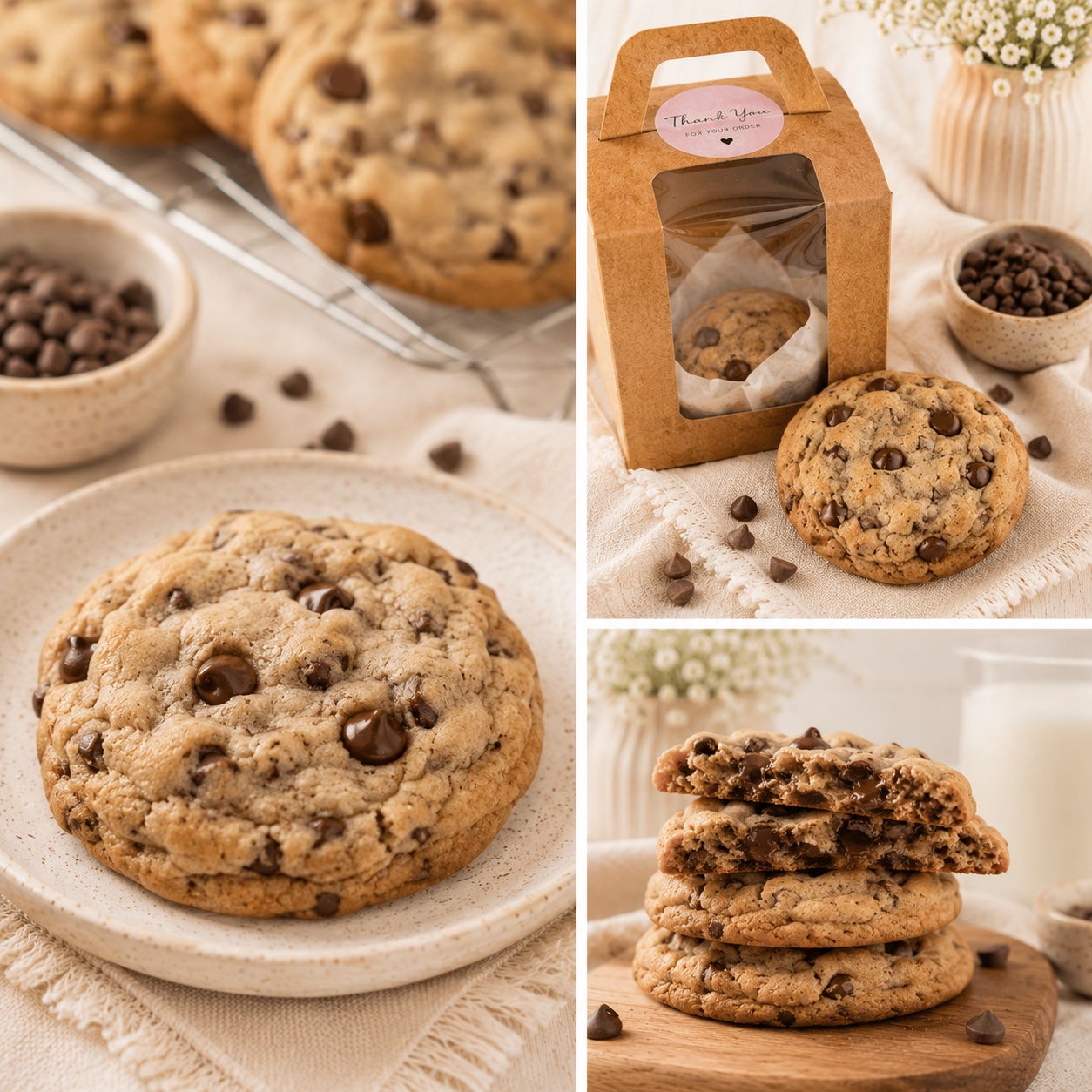
Ask a new home baker what they charge and you will often hear a number that makes an experienced seller wince. Not because it is too high — because it is far too low. Underpricing is the single most common mistake we see, and it is the fastest way to burn out on something you love.
So what should a dozen cookies cost? The honest answer is: more than the ingredients, and more than you probably think.
Count everything, not just flour and sugar
Ingredient cost is the easy part. The costs that sink people are the invisible ones: butter is not cheap, but neither is the hour you spent creaming it, the second hour scooping and baking, the packaging, the gas, and the wear on your equipment. Price only the groceries and you are effectively paying customers to eat your work.
A useful gut check: add up your ingredients, then your time at a wage you would actually accept, then a margin on top. If the final number feels a little uncomfortable, you are probably close to right.
Cheap is not the goal
Ella at Birchwood Bakes in Blaine, a weekday teacher who bakes cookies by the dozen on weekends, learned this the hard way:
I started way too cheap because I was nervous no one would pay more. All that did was give me a full order book and an empty wallet. When I finally raised prices to something fair, I lost almost no customers — and suddenly the whole thing was actually worth doing.
Charge for what makes you different
Your cookies are not a grocery-store commodity, so do not price them like one. Browned butter, real vanilla, fresh zest, small batches picked up warm — that is the product, and it is worth paying for.
- Price the whole cost, including your time.
- Raise prices before you resent the work.
- Let quality, not cheapness, be the thing customers remember.
Sustainable beats cheap every time. The bakers who are still at it a year later are almost always the ones who priced their work like it mattered.
Written by The Baker's Table for The Baker's Table.